
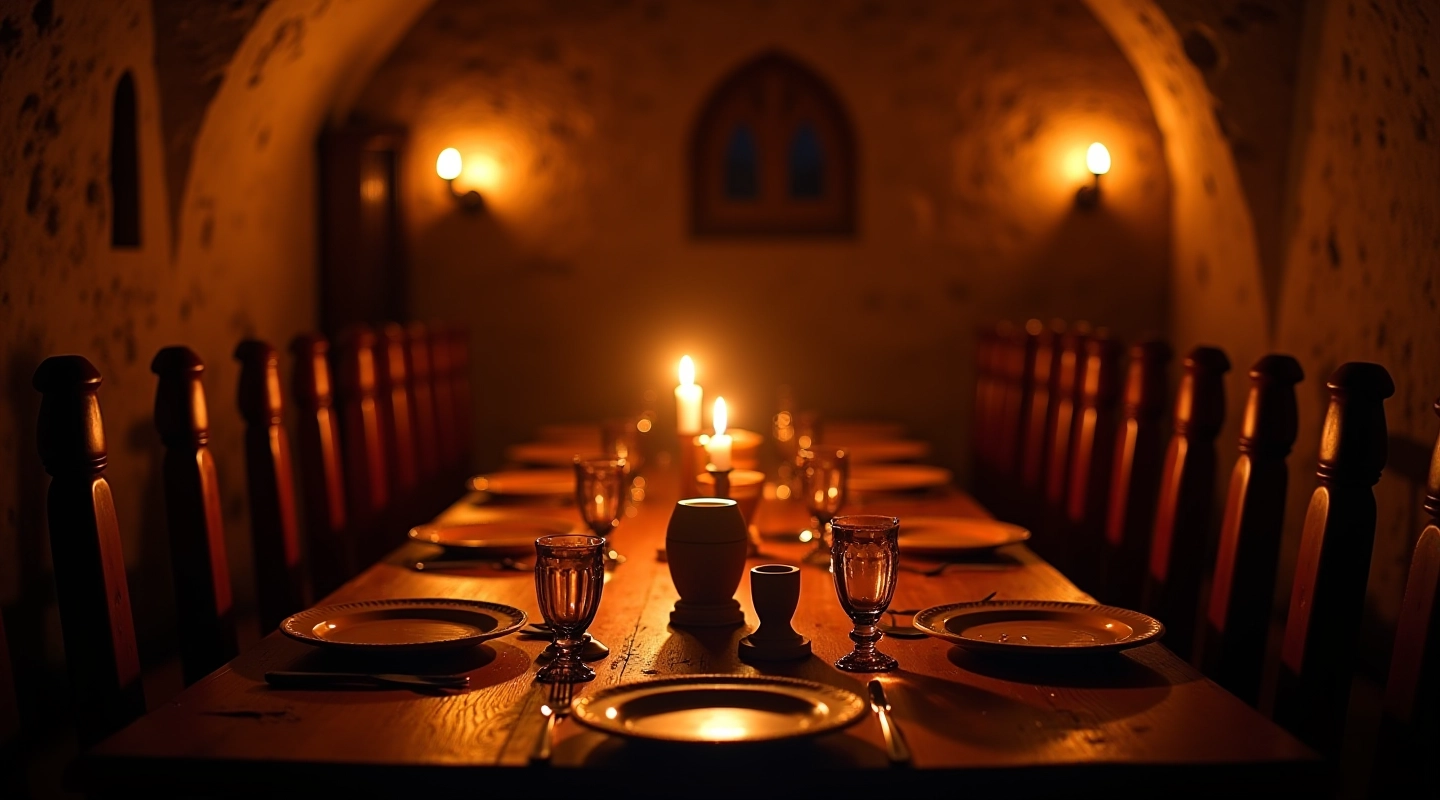
Planning Your First Medieval Feast Experience
Learn what to expect at an authentic medieval banquet, from dress codes to dining arrangements and what makes each experience unique.
Master the dress code, table manners, and social customs for authentic medieval feasts in Tallinn's historic cellars
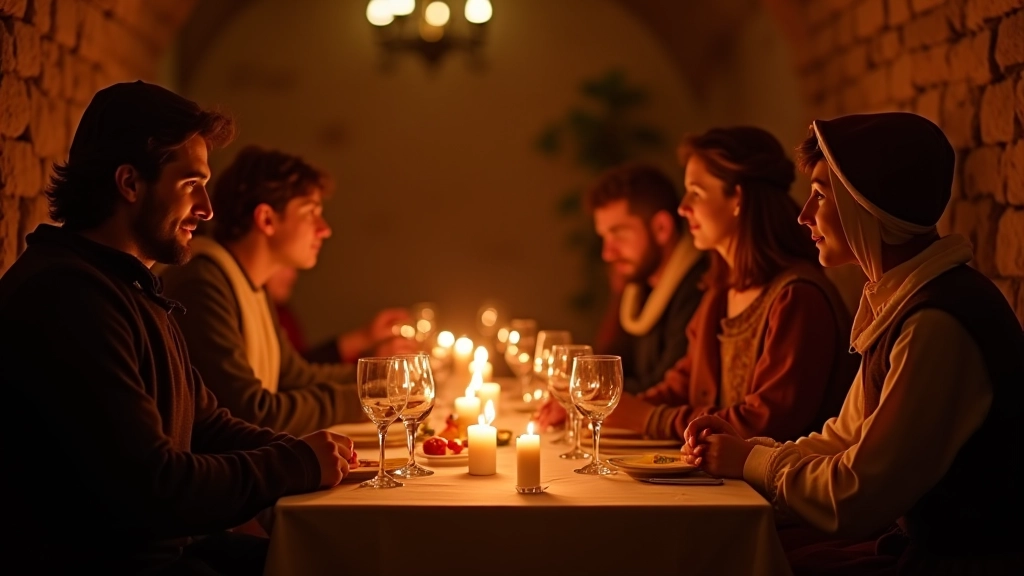
Planning to attend a medieval banquet in Tallinn? You're probably wondering what to wear and how to behave when you're surrounded by candlelight, stone walls, and centuries-old traditions. Here's the thing — it's less intimidating than you'd think. We'll walk you through everything: from costume basics to table manners that'll actually make sense in a historical setting.
Whether you're going solo or bringing friends, knowing what's expected helps you relax and enjoy the experience. Medieval banquets blend historical accuracy with modern comfort. You won't be uncomfortable, and nobody expects you to be a history expert.
Most medieval banquets in Tallinn ask for "period costume or period-inspired clothing." That's code for: you don't need a museum-quality outfit. What you're aiming for is something that looks like it belongs in a 13th-15th century setting.
For women, think long dresses with natural waistlines. Velvet, linen, or heavy cotton work well. A simple long-sleeved dress in deep colors — burgundy, forest green, midnight blue, or black — immediately reads as medieval. Skip modern fabrics like shiny polyester. Add a linen headpiece or a simple circlet if you're feeling ambitious, but it's completely optional.
Men traditionally wear tunics or long-sleeved shirts with fitted trousers. A tabard (sleeveless overdress) adds authentic detail without complication. Leather belts, simple boots, and neutral earth tones work perfectly. You're not auditioning for a film — just aiming for "plausibly medieval."

Different banquet venues in Tallinn have different dress codes. Some strictly require period costume, while others welcome modern clothing with a medieval aesthetic. Always check with the specific venue before attending. This guide reflects general practices across most medieval banquet experiences, but individual establishments may have their own rules.
Medieval dining had strict rules, but here's what you actually need to know for a modern banquet. Most venues blend historical accuracy with contemporary comfort. You won't be eating with your hands or drinking from shared goblets unless you're specifically at a ultra-immersive event.
The key principle: observe others and follow their lead. Seriously. If the person next to you uses a fork, use a fork. If the serving style is communal platters, take what's offered. Medieval banquets in Tallinn are theatrical experiences designed to be enjoyable, not tests of your historical knowledge.
You'll have forks, knives, and spoons. Use them left to right, starting with the outermost utensil. If you're unsure, watch the server or the person across from you. Medieval people didn't actually have forks for most of the period — they're a modern courtesy for your comfort.
Bread's typically passed around. Take a piece, tear it, and eat it with your hands — that's historically accurate and expected. Platters are communal. Use serving utensils, not your own. Don't reach across others; ask politely or wait for the platter to come to you.
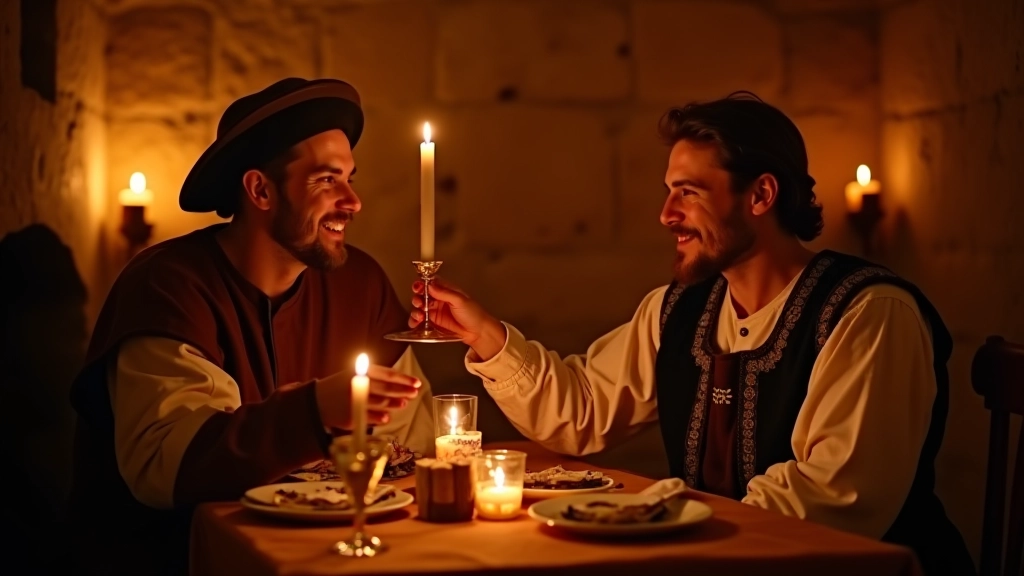
Toasts happen. Stand when raising your cup. Make eye contact. Keep it brief and genuine. You'll likely have mead, wine, or ale — authentic choices. If you don't drink alcohol, water or non-alcoholic alternatives are always available. Nobody cares if you skip the drink part.
Talk to people around you. Medieval banquets were social events. Hosts appreciate guests who engage with performers and fellow diners. It's okay to ask questions about food, drink, or customs. Humor is welcome. You're not being graded on authenticity.
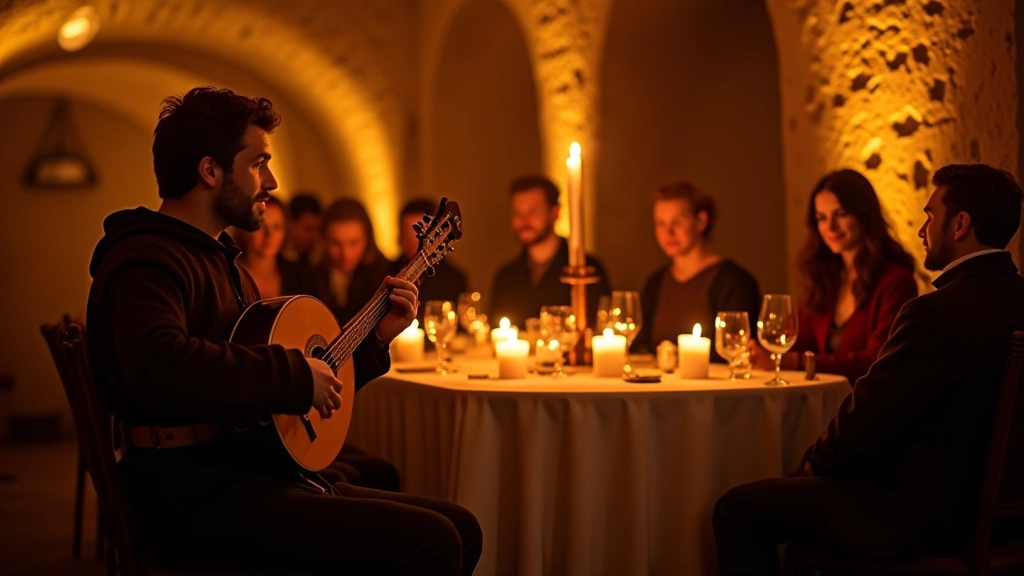
Medieval banquets often include entertainment — musicians, storytellers, actors playing period characters. You're expected to enjoy it, not critique it. If someone in character speaks to you, respond naturally. It's theater, and you're part of the show. Don't be shy.
Photography rules vary by venue. Some allow photos, others don't. Ask before pulling out your phone. Respecting the immersive atmosphere matters to everyone there. You'll find most people are genuinely excited about the experience and want others to be too.
Arriving on time is important — seating's usually assigned, and late arrivals disrupt the flow. Plan to arrive 10-15 minutes early. Dress code violations are rare issues; venues understand most guests are doing their best with costumes. What matters is effort and good spirit.
You'll be sitting most of the time, but you'll likely walk through medieval cellars to reach the banquet hall. Wear comfortable shoes. Medieval boots are ideal, but any closed-toe shoe works. Skip heels if you're not confident walking on uneven stone floors.
Historic cellars in Tallinn stay cool year-round. Layers help. A long-sleeved dress or shirt under a heavier overdress keeps you comfortable without looking modern. You can adjust as needed throughout the event.
Tell the venue about allergies or dietary restrictions when booking. Medieval banquets aren't surprises — venues know what they're serving. You won't be eating anything you can't eat, and staff takes this seriously.
Keep your phone on silent or leave it behind. Modern devices break the atmosphere. If you need it for safety or work emergencies, that's understood — just be discreet. Most guests appreciate the break from screens.
Medieval women wore makeup, so modern makeup's fine. Keep it simple and natural-looking. Jewelry should be understated — simple silver, gold, or copper pieces. Skip modern watches and contemporary styles.
Most banquets last 2-3 hours. That includes arrival, multiple courses, entertainment, and wind-down. Plan your evening accordingly. You won't be hungry or bored — pacing's intentional.
Here's what you need to remember: medieval banquets in Tallinn's historic cellars aren't formal exams. They're immersive experiences designed for enjoyment. Your costume doesn't need to be perfect. Your manners don't need to be historically accurate. What matters is showing up with genuine interest and willingness to engage.
Wear something that makes you feel comfortable and looks period-inspired. Follow basic table manners — use utensils, don't reach across others, listen to toasts. Be social. Laugh at the entertainment. Ask questions. These small things create the atmosphere everyone's there for.
You'll walk into a candlelit stone cellar in a costume you're proud of. You'll eat food prepared with historical inspiration. You'll hear music and stories. You'll feel genuinely transported to another time. That's the whole point. Now go have an amazing evening.
Editorial Team
Written by the tavioivex editorial team, focused on honest, practical guidance for planning an authentic medieval banquet evening in Tallinn.
Learn what to expect at an authentic medieval banquet, from dress codes to dining arrangements and what makes each experience unique.
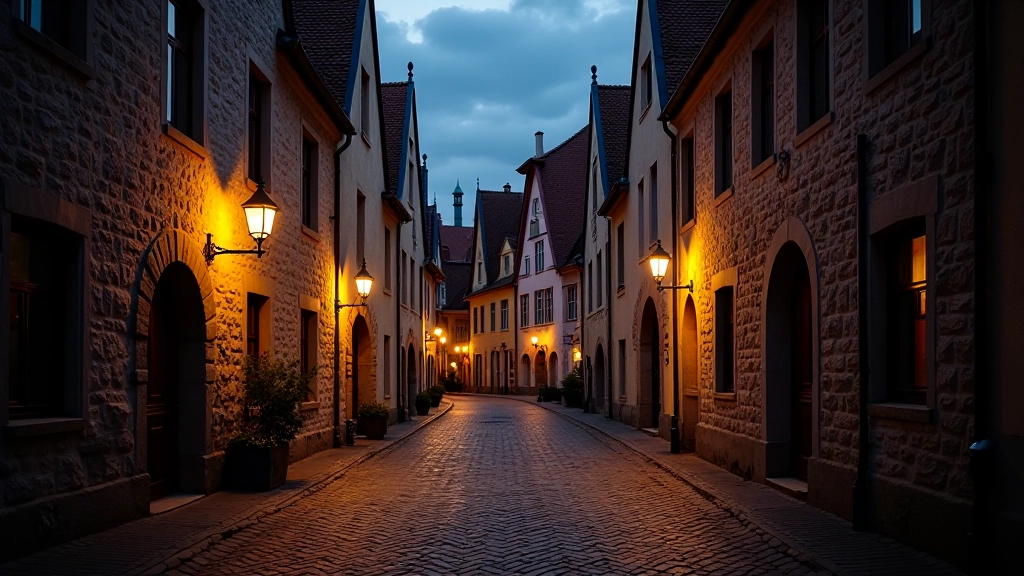
Explore the underground tunnels and historic cellars beneath Old Town's streets and understand their role in medieval city life.
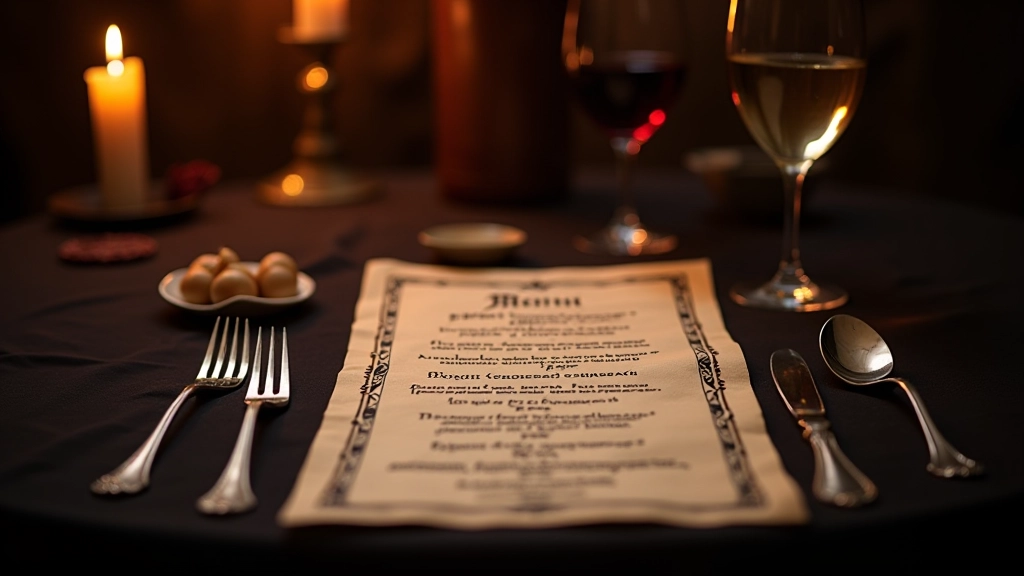
Understand what medieval people actually ate versus modern banquet interpretations, and why certain dishes appear at authentic feasts.