
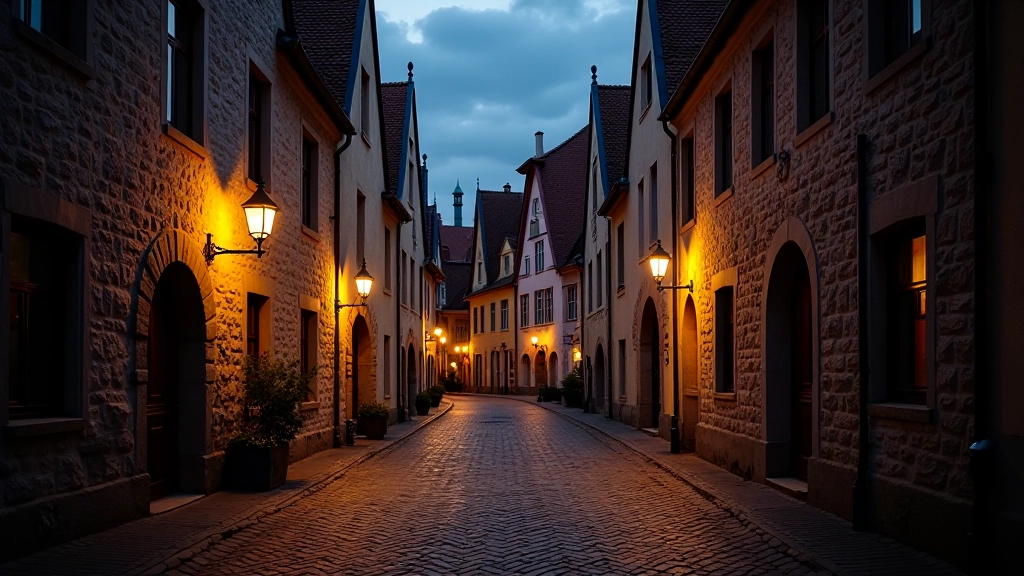
Hidden Cellars and Medieval Architecture of Tallinn
Explore the underground tunnels and historic cellars beneath Old Town's streets.
Read moreLearn what to expect at an authentic medieval banquet, from dress codes to dining customs. We'll cover timing, atmosphere, and how to make the most of your evening.
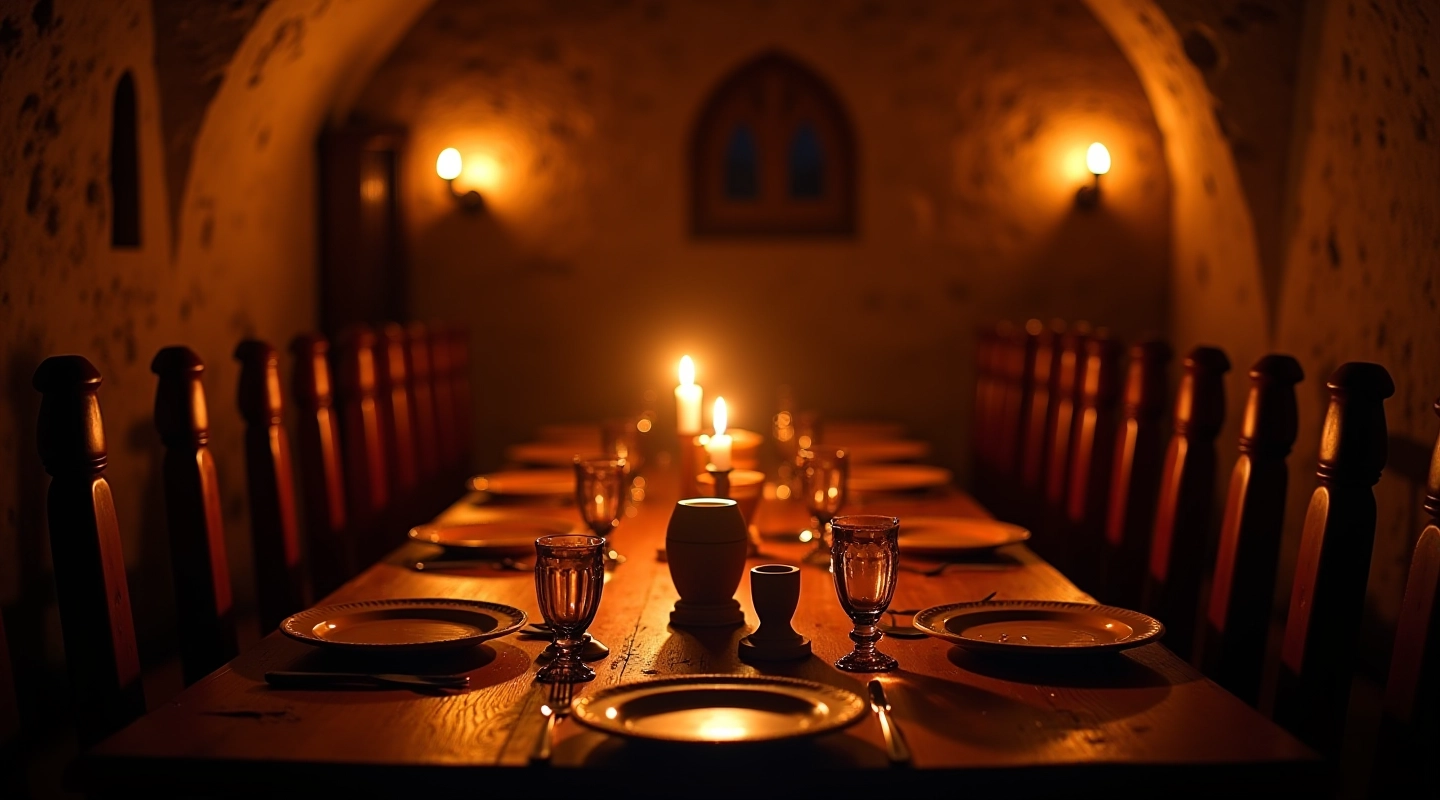
Medieval banquets aren't just about sitting at a long table and eating meat with your hands — though there's definitely some of that. It's a complete experience that blends history, theater, and genuine hospitality. Whether you're curious about what happens when you arrive or wondering what the actual dining customs are, we've got the details you need.
The first time you step into a candlelit cellar beneath Tallinn's Old Town, you're transported. Stone walls, flickering light, the smell of roasted food and mead — it's atmospheric without being fake. But knowing what to expect makes it even better. You're not scrambling to figure out when to eat or how to behave. You're just present.
You'll want to arrive about 15 minutes early. There's no rush, but the host wants everyone settled before the first course appears. Most banquets run from 7 PM to around 10 PM, though it varies by venue. It's not rushed — three hours feels like the right length for the full experience without it dragging.
When you arrive, you're greeted at the entrance to the cellar. It's cool down there — stone doesn't warm up easily — so don't wear just a t-shirt if you're sensitive to temperature. The walkway is uneven in places, which adds to the authenticity but means wear shoes with decent grip. No high heels that'll catch between cobblestones.
You'll be shown to your seat at long wooden tables. There's usually a mix of people — some come in groups, others are solo travelers or couples. The seating arrangements encourage conversation, which is kind of the point. Medieval feasts were social events.
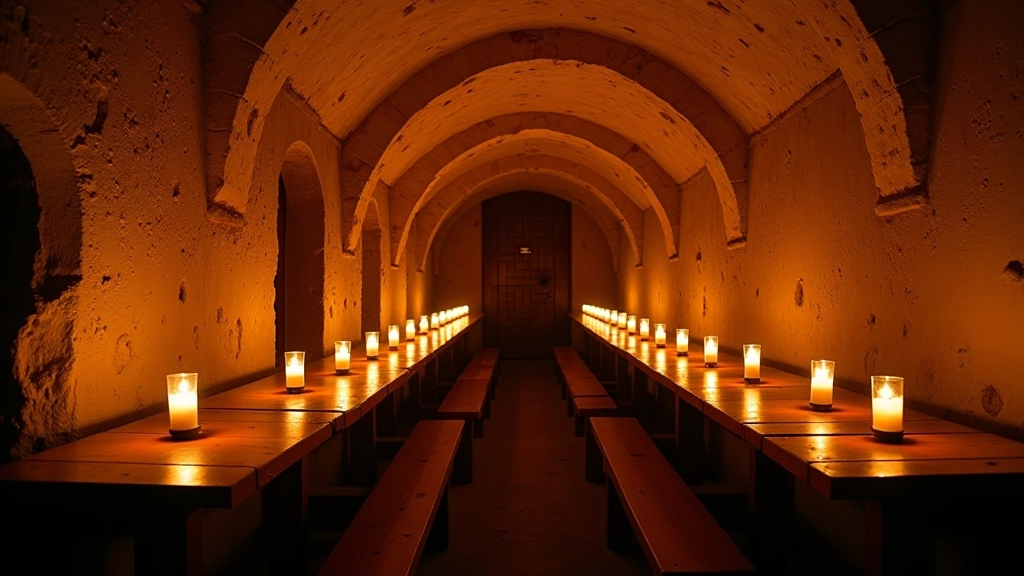
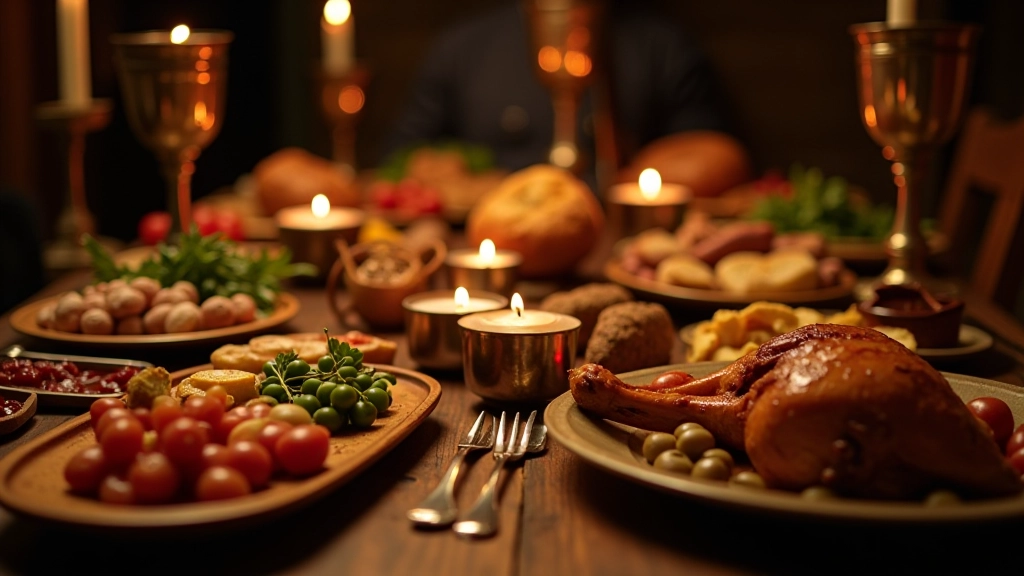
Here's where it gets fun. Medieval dining was different from what we're used to. You won't get individual plates immediately. Instead, food comes to the table communally — roasted meats, bread, vegetables, cheese. You take what you want and eat. It's actually more relaxed than formal dinner etiquette, though there are a few unwritten rules.
Utensils? You'll have a spoon and maybe a knife, but a lot of eating happens with your hands. This isn't crude — it's just how people ate. Bread is used to soak up sauces. Meat gets picked apart. It's tactile and honest. You're encouraged to dig in without overthinking it.
The menu typically includes roasted meats (often chicken or pork), root vegetables, bread, and sometimes fish. Mead and ale are the drinks of choice — you can request water or other options if that's not your thing. Don't worry about being judged for it. The portions are generous but paced, so you're not stuffed after the first course.
This article provides general information about medieval banquet experiences based on common practices and historical customs. Specific details may vary by venue and location. We recommend confirming directly with your chosen banquet venue about their specific menu, timing, dress code requirements, and any accessibility accommodations. This information is educational in nature and intended to help you prepare for an authentic medieval dining experience.
You don't have to wear a costume, but many people do. Some venues encourage it, others are relaxed about it. If you want to dress up, think practicality — long skirts and tunics work better than full medieval armor. You're sitting at a table for three hours, so comfort matters more than historical accuracy.
If you're not dressing up, smart casual is perfectly fine. Dark colors blend better with the candlelit atmosphere than bright whites. Avoid overly casual gym clothes — the vibe is immersive, and people dress intentionally.
The atmosphere itself is created through candlelight, the venue, and the people running the experience. There's often live entertainment — musicians, storytellers, or performers who move between tables. It's not theatrical in an over-the-top way. It's subtle enough to feel like you've genuinely stepped back in time, not like you're at a Renaissance fair.
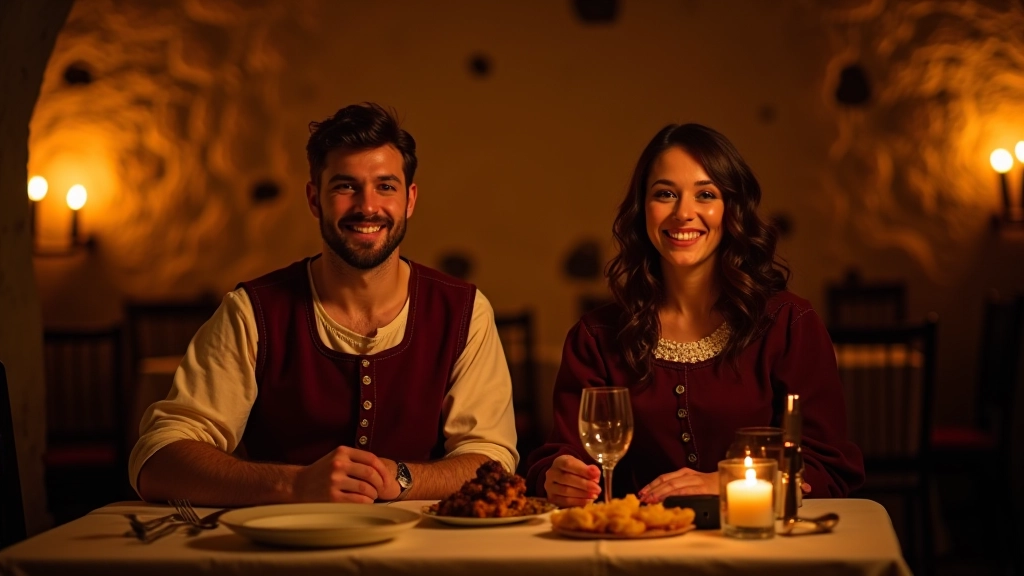
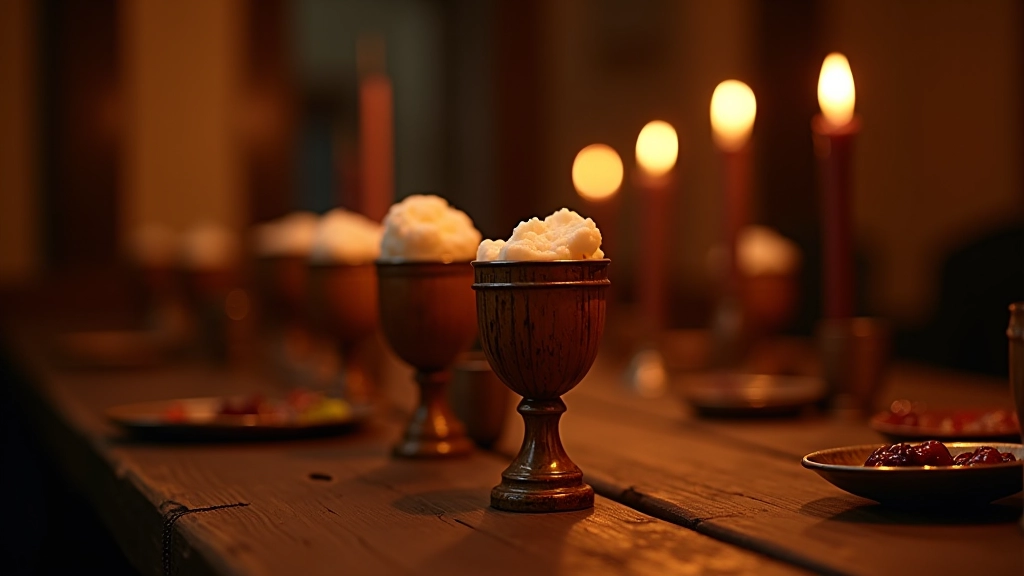
Talk to people. That's the real magic of a medieval banquet. You're sitting shoulder-to-shoulder with strangers who've all chosen to spend an evening in a 700-year-old cellar eating communal food. There's already common ground. Some of the best evenings happen when conversation flows naturally between courses.
Pay attention to the details. Notice how the candlelight plays off the stone. Listen to the background music. Taste the food slowly — medieval cuisine was different from modern cooking, and there's something to appreciate in that difference. These small moments add up to create the real experience.
Don't overthink the customs. Nobody's going to correct you if you use your fork wrong or eat bread the "modern way." The whole point is to relax into a different time and mindset. If you're worried about doing something incorrect, just watch what others are doing and follow along. Most people are there for the same reason — to enjoy something different from their usual routine.
Editorial Team
Written by the tavioivex editorial team, focused on honest, practical guidance for planning an authentic medieval banquet evening in Tallinn.
Explore the underground tunnels and historic cellars beneath Old Town's streets.
Read more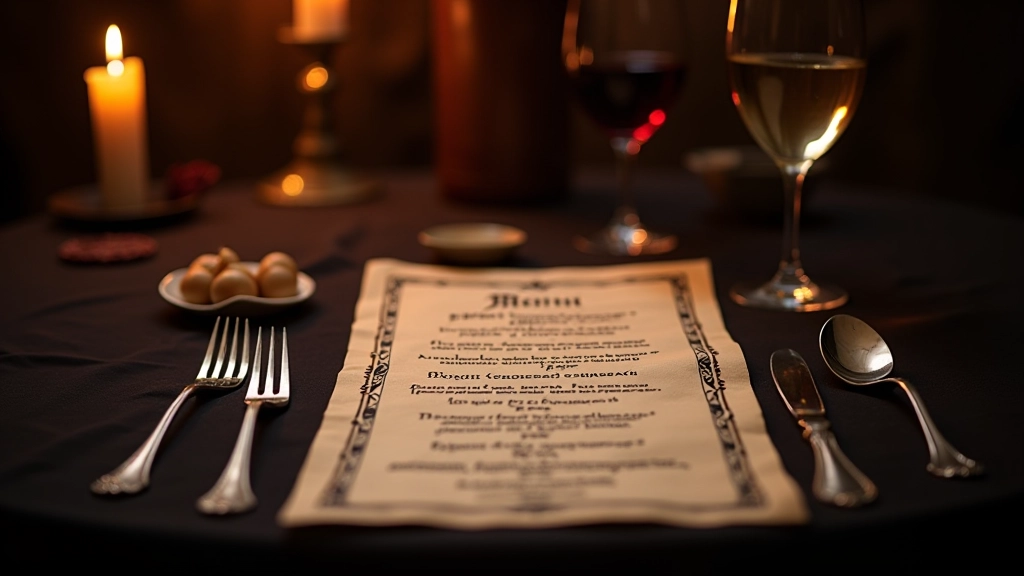
Understand what medieval people actually ate versus modern banquet interpretations.
Read more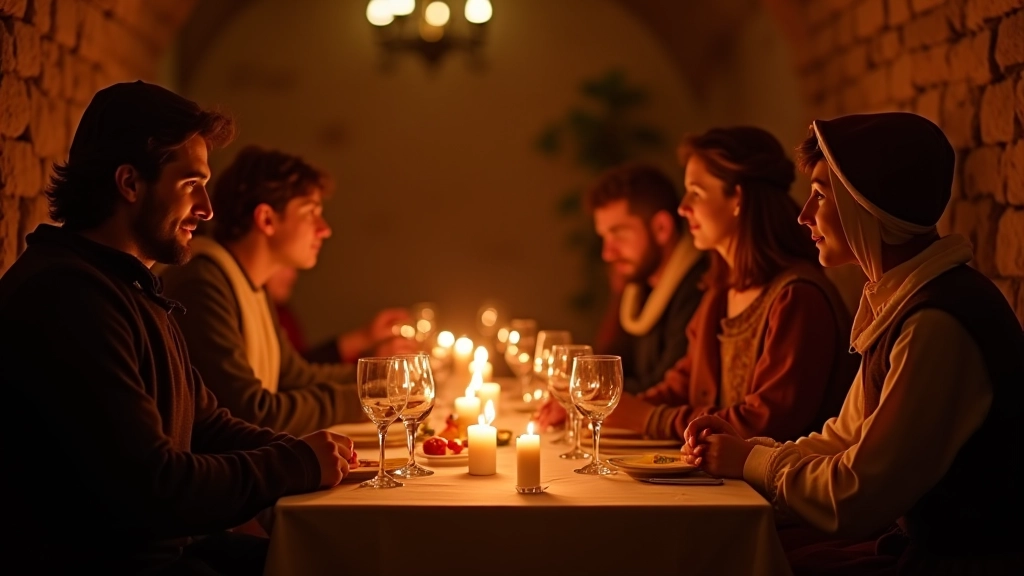
A practical guide to dressing for medieval banquets, including what's expected and what works.
Read more